

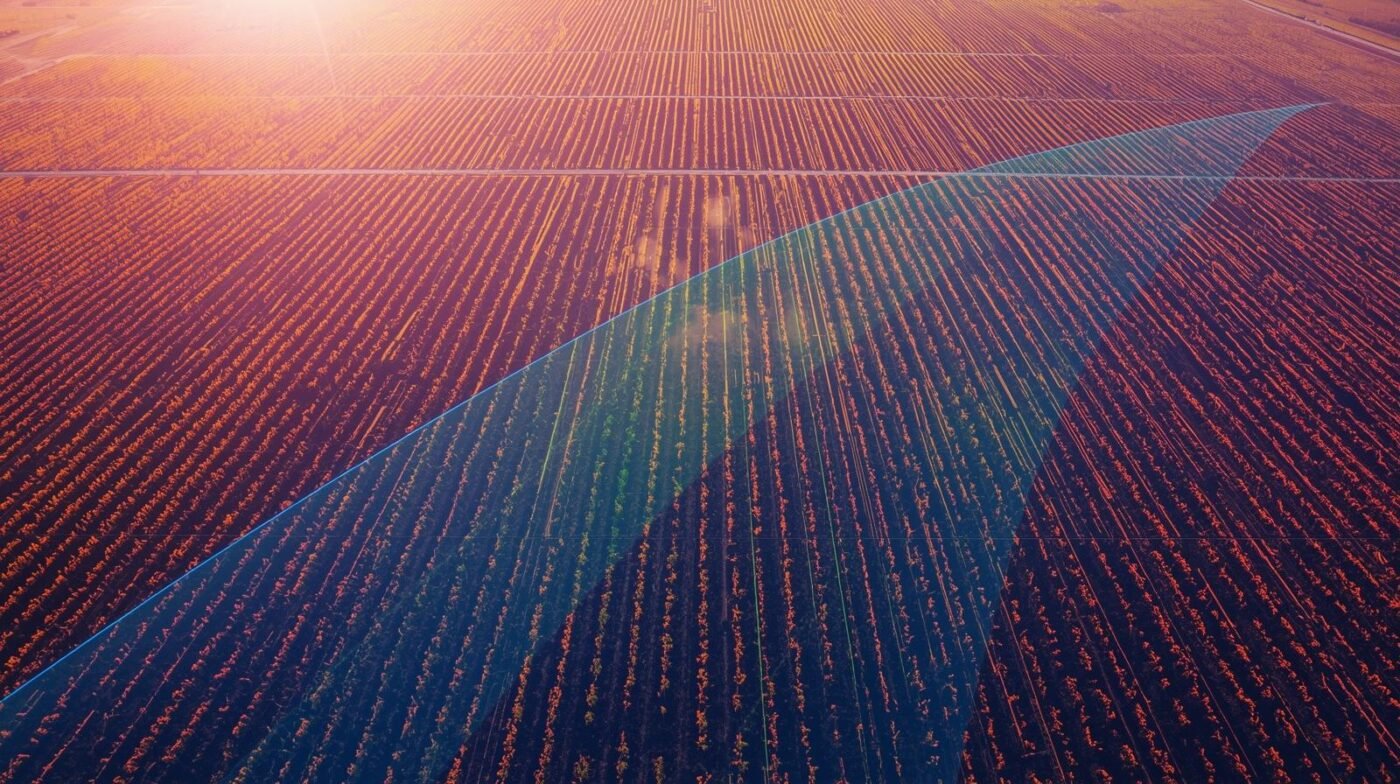
Agriculture has always been the backbone of human civilization, providing food, raw materials, and employment for billions of people worldwide. As the global population continues to grow and climate change poses new challenges, the need for innovative solutions in agriculture has never been greater. One technology that is revolutionizing the way we monitor, manage, and optimize agricultural practices is remote sensing. By providing detailed, timely, and accurate information about crops, soil, and the environment, remote sensing is transforming agriculture into a more efficient, sustainable, and productive industry.
### What is Remote Sensing Technology?
Remote sensing refers to the process of collecting information about objects or areas from a distance, typically using satellites, drones, or aircraft equipped with specialized sensors. These sensors capture data in various forms, such as images, thermal readings, and multispectral or hyperspectral data. The information gathered can then be analyzed to gain insights into the health of crops, soil moisture levels, land use patterns, and more.
Unlike traditional field scouting, which is time-consuming and limited in scope, remote sensing enables farmers and agronomists to monitor large areas with high frequency and precision. This technology has become increasingly accessible due to advances in satellite imagery, drone technology, and data processing tools.
### Key Benefits of Remote Sensing in Agriculture
Remote sensing offers numerous advantages for modern agriculture:
– **Efficient Monitoring:** Farmers can monitor vast fields in real-time without physically visiting every part of the land. This saves time and labor while ensuring that no area is overlooked.
– **Early Detection of Issues:** Remote sensing can detect early signs of crop stress, disease, pest infestations, or water shortages before they become visible to the naked eye. Early intervention can save crops and increase yields.
– **Resource Optimization:** By providing precise data on soil moisture, nutrient levels, and crop health, remote sensing allows for targeted application of water, fertilizers, and pesticides. This reduces waste, lowers costs, and minimizes environmental impact.
– **Improved Planning:** Historical and current data from remote sensing can help farmers make informed decisions about crop rotation, planting schedules, and land management.
– **Yield Prediction:** Advanced analytics can predict crop yields based on remote sensing data, helping farmers plan for harvest, storage, and market strategies.
### Applications of Remote Sensing in Agriculture
Remote sensing technology is being used in a wide range of agricultural applications, including:
#### 1. Crop Health Monitoring
Multispectral and hyperspectral sensors can assess plant health by analyzing how crops reflect different wavelengths of light. Healthy plants reflect more near-infrared light, while stressed or diseased plants reflect less. This information helps farmers identify problem areas, take corrective actions, and monitor the effectiveness of interventions.
#### 2. Soil Analysis
Remote sensing can provide valuable information about soil properties, such as moisture content, organic matter, and texture. This data is essential for precision irrigation, fertilization, and soil management, ensuring optimal conditions for crop growth.
#### 3. Irrigation Management
Water is a critical resource in agriculture, and efficient irrigation is essential for maximizing yields and conserving water. Remote sensing allows farmers to monitor soil moisture levels and identify areas that need more or less water, enabling precise irrigation scheduling.
#### 4. Pest and Disease Detection
Early detection of pests and diseases can prevent widespread crop loss. Remote sensing can identify subtle changes in plant color, temperature, or growth patterns that indicate the presence of pests or diseases, allowing for timely and targeted treatment.
#### 5. Yield Estimation and Forecasting
By analyzing historical and current remote sensing data, advanced models can estimate crop yields with high accuracy. This information is valuable for farmers, agribusinesses, and policymakers in planning and decision-making.
#### 6. Land Use and Crop Mapping
Remote sensing is used to map land use patterns and identify different crop types across large regions. This information supports agricultural planning, policy development, and food security monitoring.
### Challenges and Limitations
While remote sensing offers significant benefits, there are also challenges to consider:
– **Data Complexity:** Interpreting remote sensing data requires specialized knowledge and tools. Many farmers may need training or support to fully utilize this technology.
– **Cost:** High-resolution satellite imagery and advanced sensors can be expensive, although costs are decreasing as technology advances.
– **Weather Dependence:** Cloud cover and adverse weather conditions can interfere with data collection, especially for optical sensors.
– **Integration with Farm Operations:** Adapting remote sensing insights to practical farm management requires integration with other systems, such as farm management software and machinery.
### The Future of Remote Sensing in Agriculture
The future of remote sensing in agriculture looks promising, with ongoing advancements in sensor technology, data analytics, and artificial intelligence. Some emerging trends include:
– **Artificial Intelligence (AI) and Machine Learning:** AI-powered algorithms can analyze vast amounts of remote sensing data to detect patterns, predict outcomes, and provide actionable recommendations for farmers.
– **Integration with IoT Devices:** Combining remote sensing with Internet of Things (IoT) sensors on the ground can provide even more detailed and accurate information about crops and soil.
– **Real-Time Decision Support:** As data processing becomes faster, farmers will be able to receive real-time alerts and recommendations, enabling immediate action to optimize crop production.
– **Increased Accessibility:** As satellite and drone technology become more affordable, even smallholder farmers in developing countries will have access to remote sensing tools.
### Conclusion
Remote sensing technology is revolutionizing agriculture by providing farmers with the information they need to make smarter, more sustainable decisions. From monitoring crop health to optimizing resource use and predicting yields, the applications of remote sensing are vast and growing. As technology continues to advance, remote sensing will play an increasingly important role in ensuring global food security and supporting the future of sustainable agriculture.
